Movement
The quiet joy of being a beginner again
A new sport can give us something rare in adult life: permission to be curious before we are good.
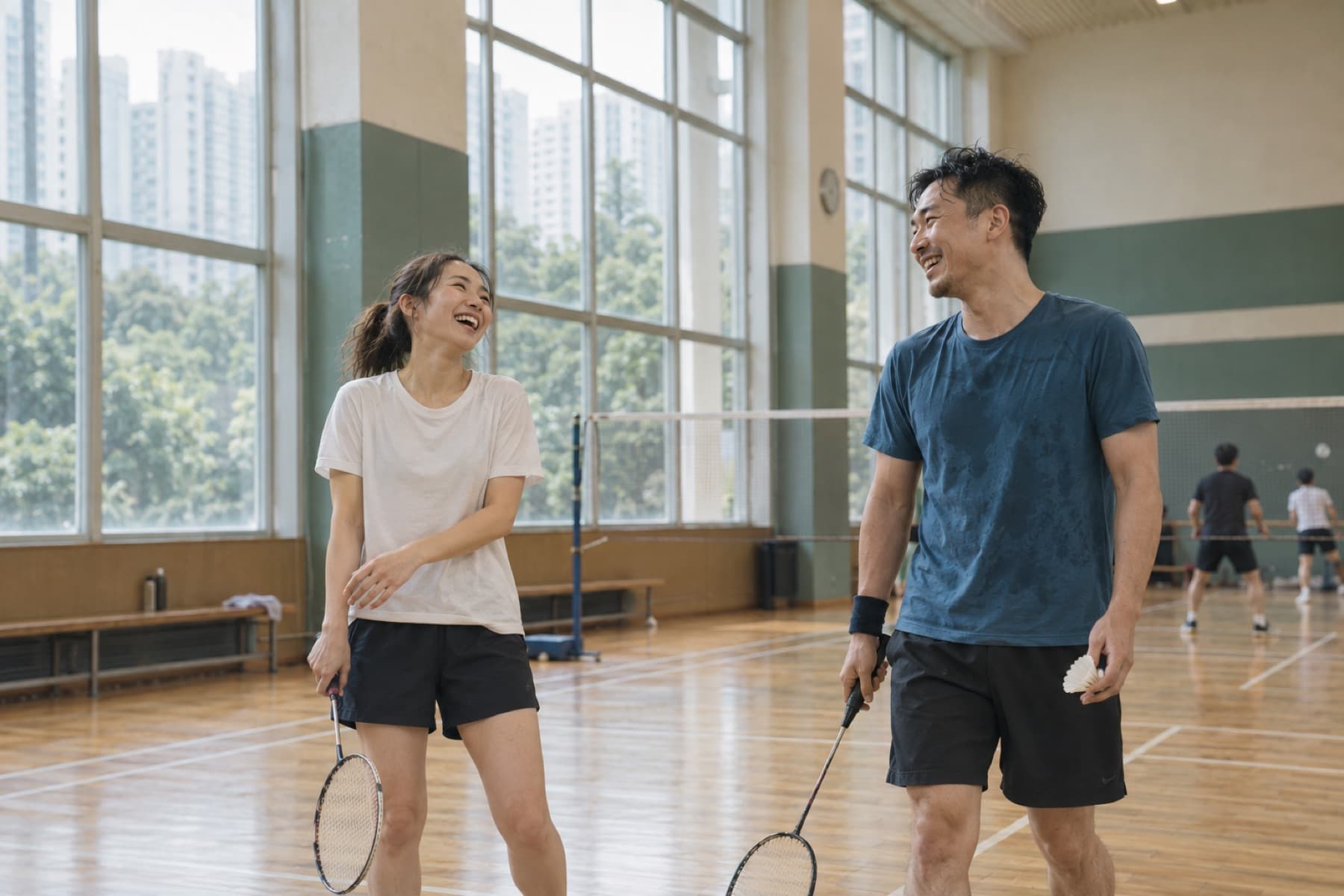
The first time I tried a new racket sport as an adult, I spent most of the hour apologising. Sorry for missing the ball. Sorry for holding everyone up. Sorry for needing the rules explained twice. Nobody had asked for an apology. My friends were having fun, and the court was booked for us. Still, I arrived with the strange belief that paying for an activity meant I ought to be good at it already.
That feeling is familiar in Hong Kong. We are used to making our time useful. Even hobbies can arrive with a timetable for progress: buy the right shoes, take a class, improve quickly, join a league. There is pleasure in learning well, of course. There is also pleasure in the messy first stage, when everything is new and a lucky shot feels like a tiny celebration. We lose that part when we hurry to look experienced.
The first session is allowed to be awkward
A beginner class is often advertised as welcoming, but walking through the door can still feel difficult. Everyone else may seem to know where to put their bag, how to warm up and which words the instructor uses. Most of those people were confused on their own first day. If you can, arrive a few minutes early and say plainly that you are new. It gives the instructor a chance to help, and it lets you stop pretending that you know the routine.
Choose a first session for comfort rather than status. A place close to home, a patient coach, a friend who will laugh with you and a price you can afford to repeat are useful clues. You do not need the most polished studio in the city. You need somewhere you can ask a simple question without feeling foolish. That small sense of safety makes it easier to pay attention to the game, the movement and the people around you.
Try things before buying an identity
A sport does not need to become your whole personality. You can play pickleball on Saturday and decide it is only occasionally for you. You can try yoga, enjoy the quiet ending and never learn the names of every pose. You can take a swimming lesson simply because you want to feel more at ease in the water. Curiosity is a complete reason to begin; it does not need a long-term transformation story attached.
It helps to borrow equipment before buying it. A court, club or studio may have a trial class, rental gear or a friendlier introductory session. Ask what is included and what you need to bring. The point is to lower the cost of finding out whether you like something. A cupboard full of expensive gear can turn a light experiment into an obligation. You can always buy your own racket or mat after the second or third visit.
Find the people who make room
The people around a beginner matter as much as the activity. Some groups are wonderfully generous: someone explains a rule, someone adjusts the pace, someone notices a small improvement that you missed. Other groups are built for serious practice and may not have space for that. Neither is wrong, but they serve different needs. Look for open play sessions, introductory classes and community groups that say clearly how new people join.
If you are the experienced one, remember how much tone matters. A quick explanation is helpful; a long lecture in the middle of a game can be exhausting. Ask whether the newcomer wants a tip. Make space for a few mistakes. Invite them back even if they did not play well. Many people decide whether they belong to a sport long before they have learnt how to play it.
Progress can look wonderfully small
We often imagine progress as a clean line: more points, longer sessions, better technique. In the first weeks, it is usually stranger than that. You understand one instruction without stopping the game. You find your balance for a second. You remember to breathe while trying something difficult. These are small changes, but they alter how it feels to be there. You begin to spend less energy worrying about how you look and more energy noticing what is happening.
There will also be sessions when you feel worse than last time. You are tired, the court is warm, the timing is off. Learning is uneven, and one awkward hour does not erase earlier ones. If you only judge an activity by whether every visit proves improvement, you may miss the ordinary satisfaction of returning. Some of the best moments happen on days when nothing impressive happens at all, except that you showed up and had a good time.
You do not need to catch up
Adults sometimes talk about starting a sport as if they are late. Someone else learnt as a child; someone else has a stronger body or a better schedule. But a hobby has no compulsory starting age. The question is not whether you can recover all the years you did not spend playing. It is whether this hour, in the life you have now, feels worth making room for. That is a much kinder question, and one you can actually answer.
You can also leave and come back. A season of overtime, family care or simple loss of interest may interrupt a practice. You are still welcome to begin again. The skills may be rusty and the first visit may feel like another first visit, but you bring something with you: the memory that awkwardness passes. Beginning is not a one-time ceremony. It is something we get to do whenever life makes room.
A small way back into play
A good next step is modest: pick one activity you have been curious about, find a beginner-friendly place within a reasonable journey, and book one session. Keep the rest of the day ordinary. You do not need a new wardrobe or a goal for six months from now. Afterwards, ask two questions: did I enjoy any part of that, and would I like to go again? Those answers are more useful than a score.
Being new at something can feel exposing. It can also make a familiar city feel wider. A sports hall becomes a place where you know somebody's name. A route to the MTR becomes the walk home after class. An hour that could have disappeared into the phone becomes a story you tell at dinner. You may get good one day. For now, being there is enough.
This article expresses an editorial point of view and is for general information only. It is not medical advice.
Places that fit this story
A few directory picks to help turn the idea into a real day out.
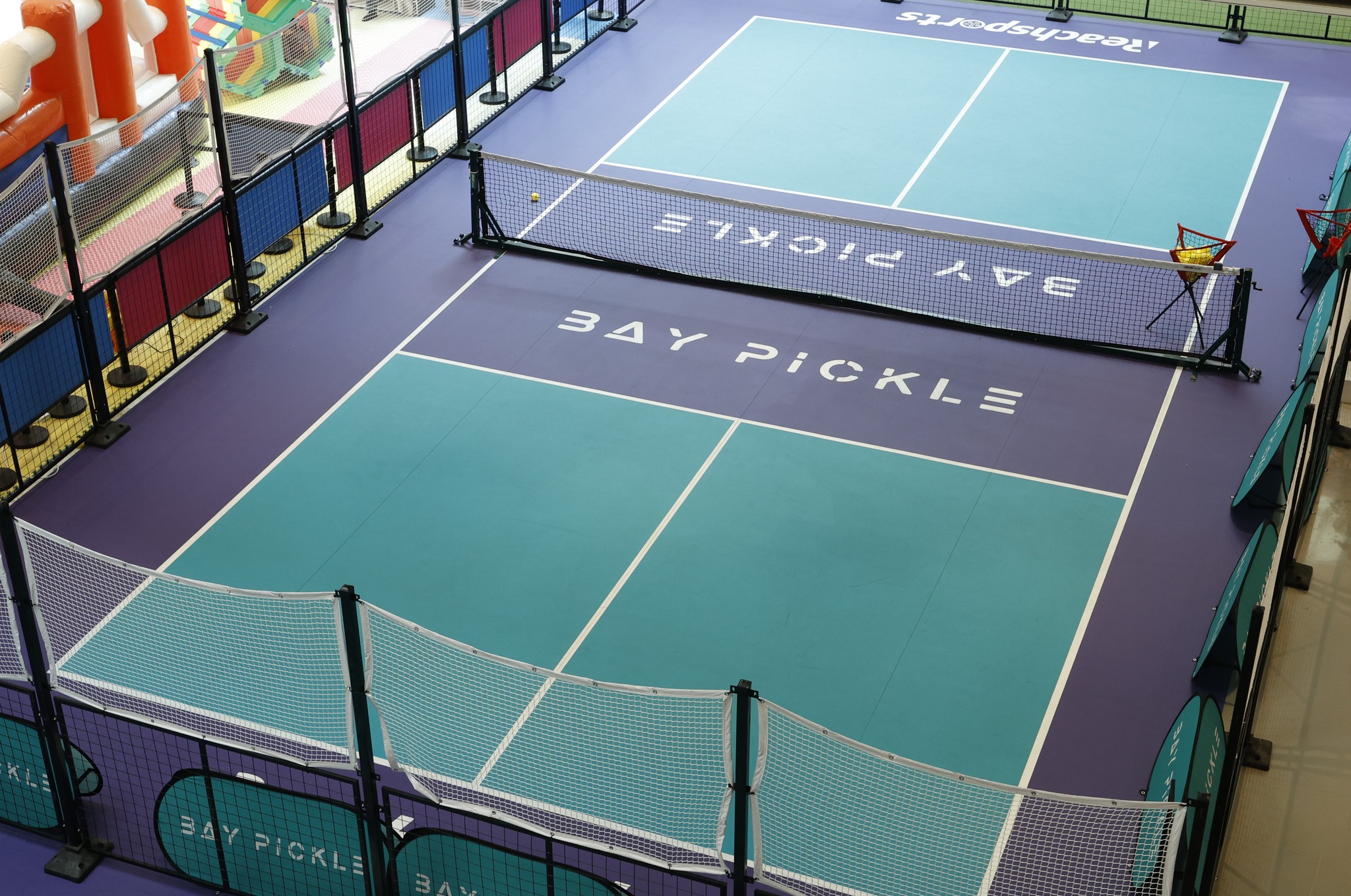
Bay Pickle — D·PARK
Pickleball at D·PARK, 398 Castle Peak Road, with court reservations through Bay Pickle.
View place
Sheung Wan Sports Centre
Public indoor sports facility in Central & Western. Check LCSD for its courts, activity spaces and maintenance days.
View place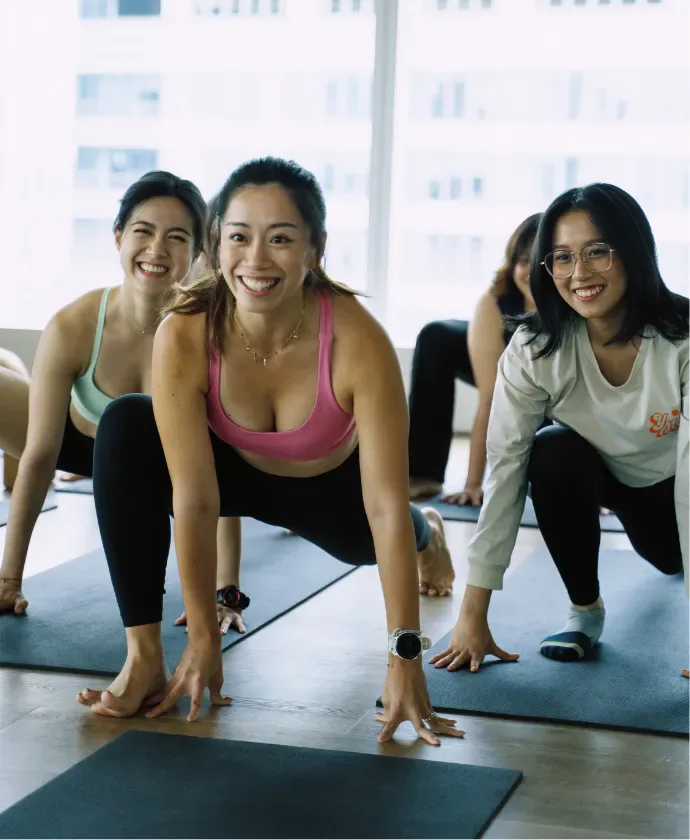
Yoga Movement Hong Kong
A modern yoga studio with sixteen formats ranging from slow flow to hot and power classes.
View place