Everyday movement
A walk is useful even when you do not track it.
Some walks are for getting somewhere. Others are simply time to notice the city and clear your head.
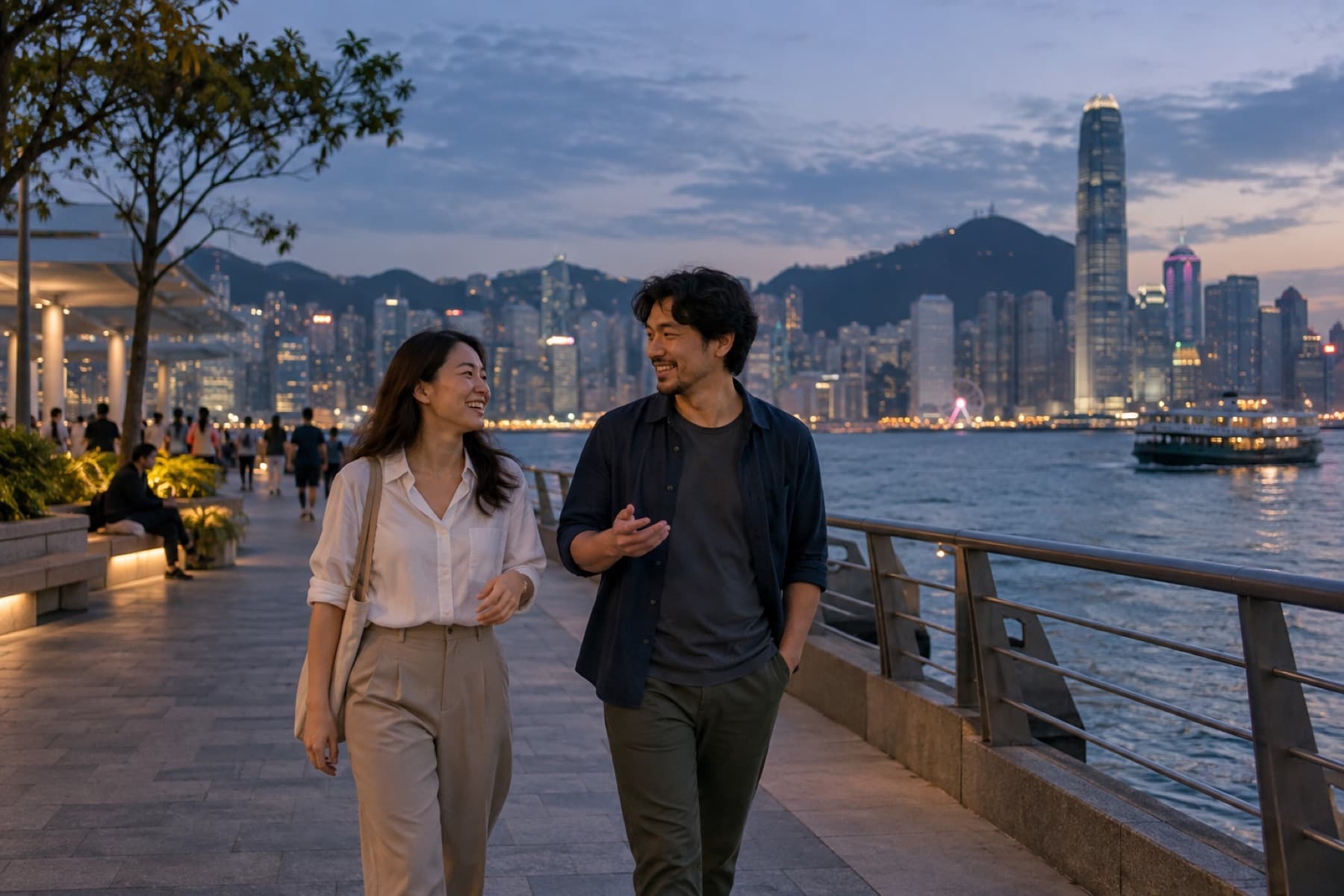
A walk does not stop being useful because you forgot to start your watch. It can help you get home, clear your head, talk with a friend or notice a street you normally rush through.
Numbers can help when you have a clear reason to track them. But they can also pull your attention away from the walk itself. A pleasant evening should not feel like a failure because the step count was low.
Let the route change
Hong Kong is good for small detours. A staircase leads to a lane, the lane passes a temple, and suddenly you find a view you did not expect. A walk with no fixed target leaves room for these moments.
You do not need a famous trail. Walk around your own area at a different time, get off one stop early or follow a quieter street. Curiosity can be enough of a plan.
Keep it safe and comfortable
Choose a route that suits the weather, your shoes and your energy. Bring water on hot days, use well-lit paths at night and turn back when the route stops feeling right.
The walk does not have to become training. It can remain one of the easiest ways to spend time in the city and return home feeling a little lighter.
This article expresses an editorial point of view and is for general information only. It is not medical advice.
Places that fit this story
A few directory picks to help turn the idea into a real day out.
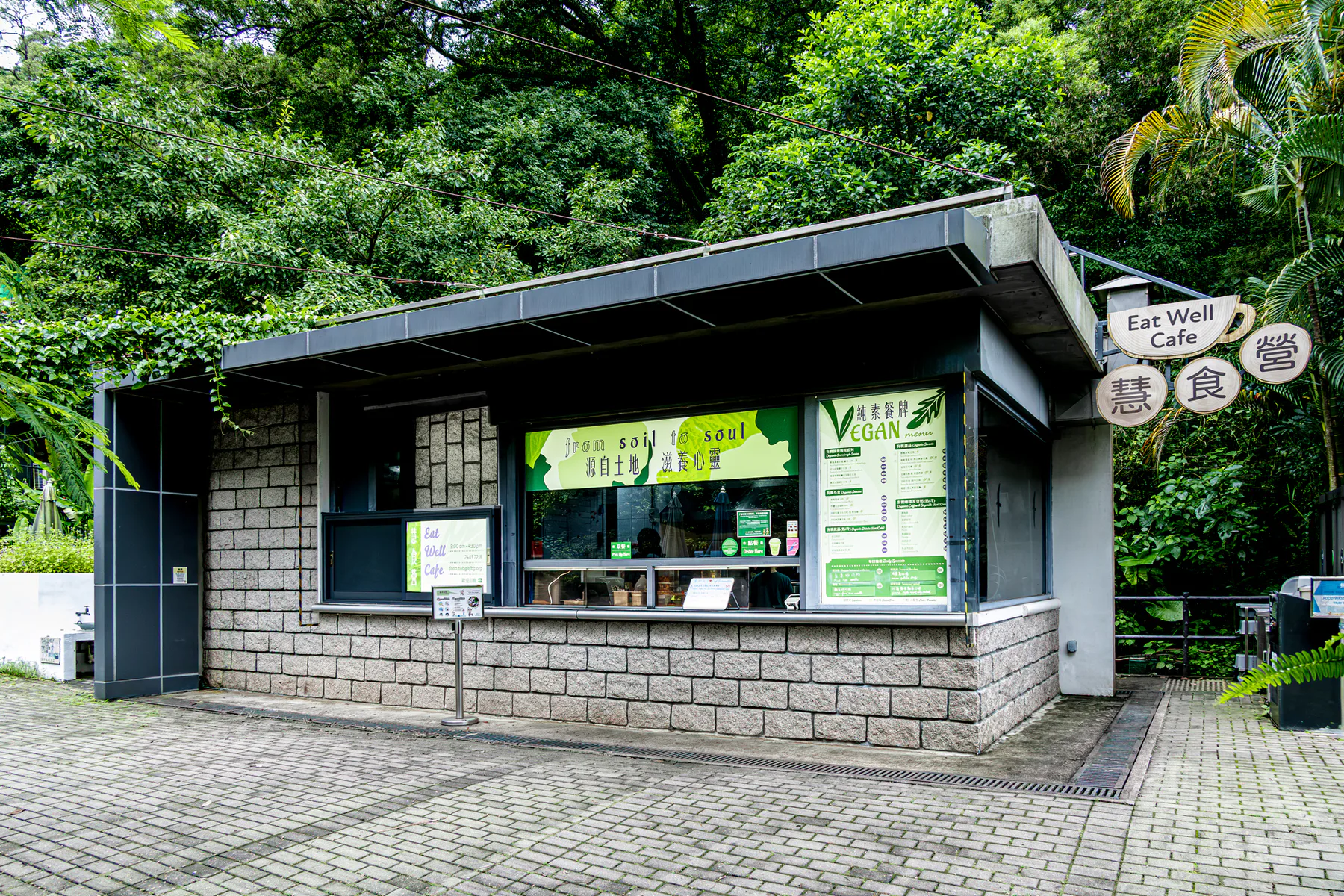
Eat Well Café at Kadoorie Farm
A farm café serving seasonal, locally minded food in the botanic garden, with ingredients and choices shaped by sustainability.
View placeBowen Road Temporary Playground
Outdoor badminton courts included in LCSD’s pickleball trial. First-come access; no advance booking. Check equipment requirements before visiting.
View place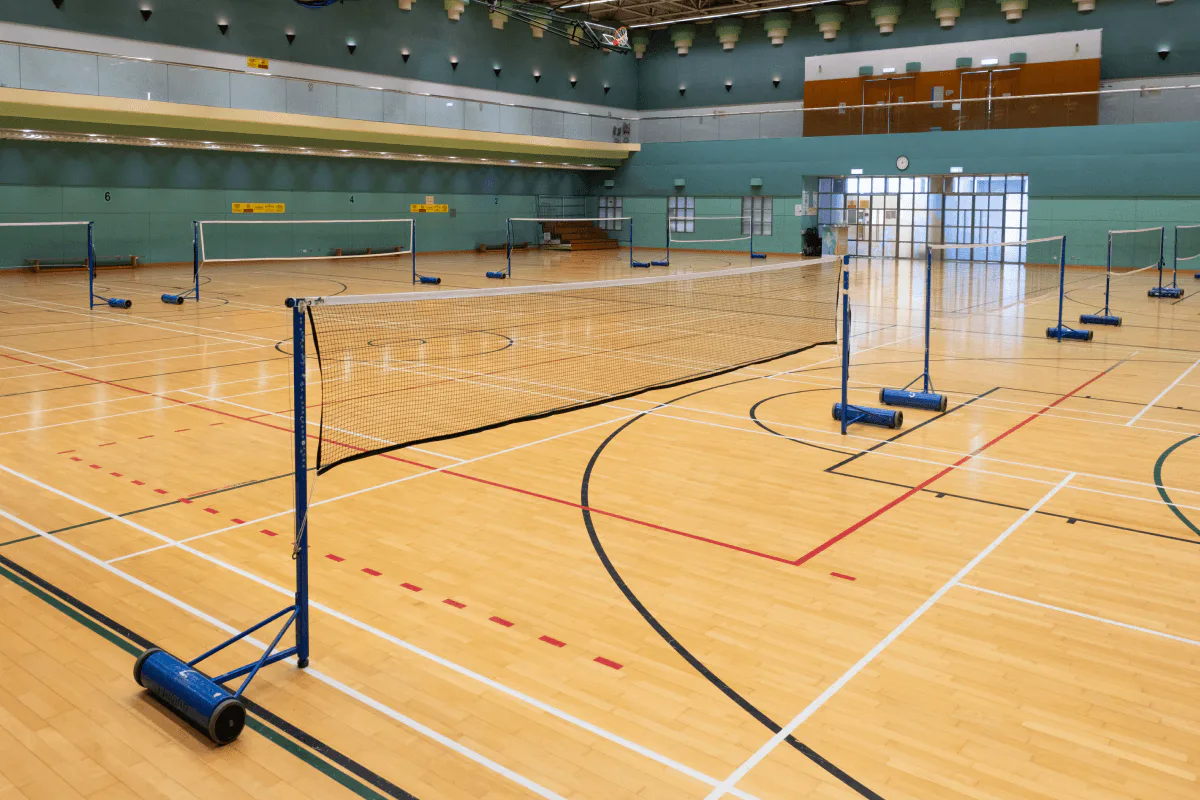
Hong Kong Park Sports Centre
Public indoor sports facility in Central & Western. Check LCSD for its courts, activity spaces and maintenance days.
View place