City life
Wellness after the city goes dark
An evening routine should fit the people who actually live here: late workers, early risers, shift staff and anyone who needs a gentler end to the day.
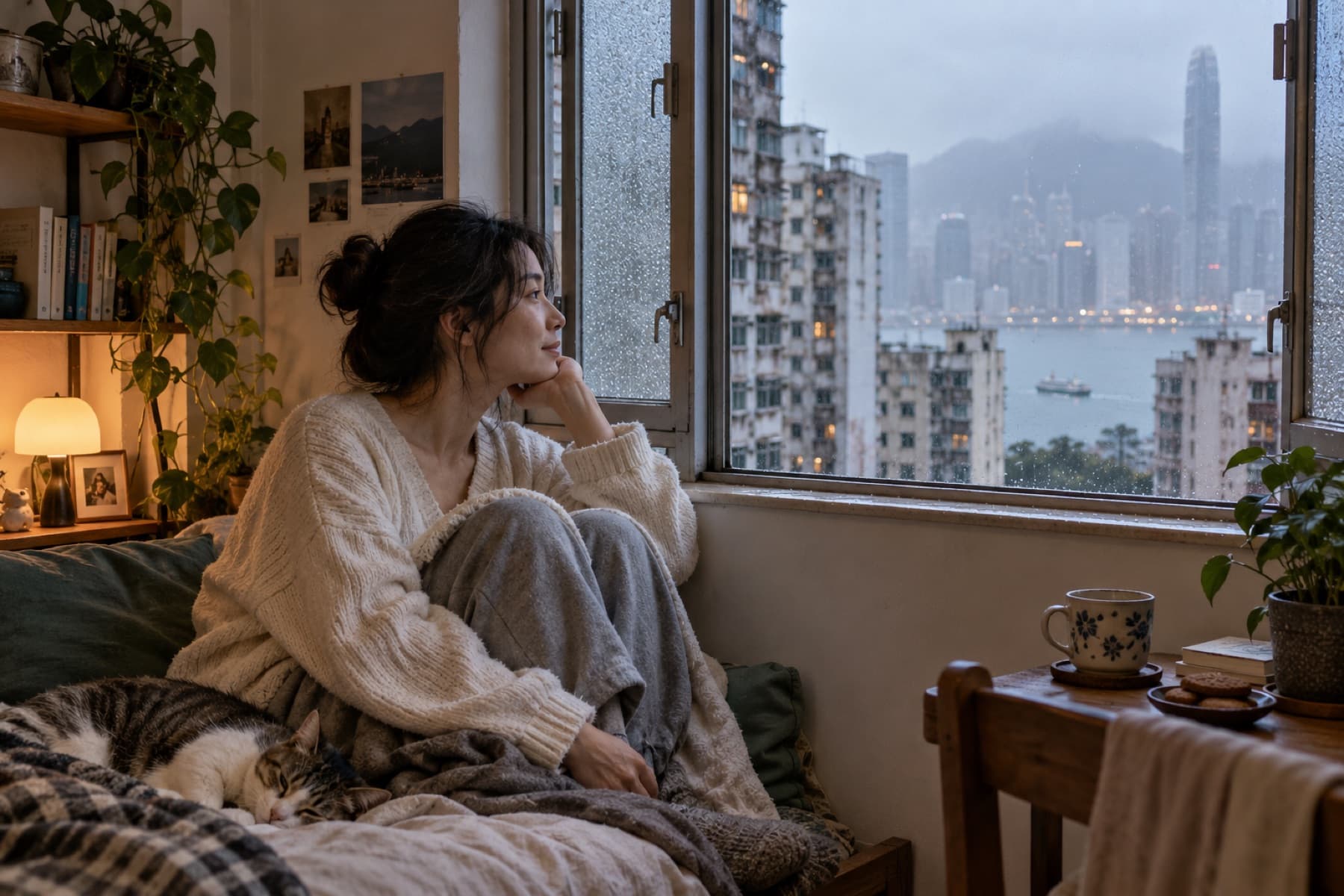
A lot of wellness advice assumes the day ends at six. Finish work, take a class, cook a balanced dinner and settle into a calm evening. It is a tidy picture. It misses the restaurant worker cleaning up at midnight, the nurse changing shifts, the parent doing one more round of chores and the office worker whose journey home begins long after the usual class has ended.
Hong Kong stays awake for many reasons. A useful wellness guide should stay open to those lives too. There is no single correct hour to move, eat, rest or meet a friend. The challenge is finding a rhythm that is kind to the body and realistic about work, travel and the people waiting at home. That rhythm may look very different from the morning-routine videos we see online.
Let the day end before the night begins
After a late shift, the mind can remain at work even when the body has left. A short transition helps some people: walking the last part of the route, changing clothes on arriving home, taking a shower or sitting quietly with a drink. None is a cure-all. These are small ways to say that one part of the day has finished. You can choose a transition that takes five minutes and costs nothing.
The transition does not have to be aesthetic. A crowded MTR ride is not a meditation retreat, and a small flat may not have a quiet corner. Earphones, a familiar route or a brief pause outside your door might be enough. If you share space with others, telling them you need ten minutes before conversation can also help. The aim is not a perfect night. It is a little space between demands.
Late movement can still be gentle
For some people, moving after work clears the head. For others, a hard session late at night leaves them feeling wired. Pay attention to your own response. A 24-hour gym gives flexibility, but it does not require an intense workout at midnight. You might stretch, walk on a treadmill, do a short strength session or decide that tonight is a night for home. Access is useful because it gives you choices, not because you must use it every day.
If you prefer a class, check the last session, travel time and what getting home will be like. A lovely class across town may lose its appeal when it adds an hour to a tiring commute. A simpler place near your route may serve you better. It is worth checking entry rules and staffed hours too: a venue can be open around the clock while certain services or recovery rooms close earlier.
Eat for the hour you have
The instruction to cook every evening sounds different when you reach home after ten. There may be nothing wrong with a takeaway dinner, a simple bowl assembled from what is in the fridge or leftovers saved from an earlier meal. What matters is having something satisfying and enough time to eat it. If late meals are a regular part of your life, it can help to know two dependable options near work and home.
Late-night food in Hong Kong is often discussed as a guilty pleasure. It can also be a practical part of a city that works late. The useful questions are ordinary: Does this meal suit my appetite? Can I sit down? Will I feel comfortable afterwards? There is no need to turn a bowl of noodles at eleven into a moral argument about discipline.
Protect the next morning
An evening plan has a cost the next day. If a class, dinner or social gathering means getting home very late, ask whether tomorrow can hold it. Sometimes the answer is yes and the night is worth it. Sometimes the kinder plan is to go home earlier or move the activity to a day off. This is not about being strict. It is about treating tomorrow's version of yourself as somebody who matters too.
People on rotating shifts may not have a stable evening at all. In that case, rigid rules about the perfect bedtime can feel like another impossible demand. Look instead for a few repeatable anchors: a meal you can rely on, a short wind-down, a route to movement when you want it and permission to rest when you do not. A flexible pattern may be more helpful than a beautiful schedule that only works on paper.
Rest is an activity too
A late-opening venue can be wonderful, but it is possible to fill every free hour just because options exist. An evening with no booking is still a real evening. You may need to wash up, call someone you miss, read a few pages or simply do very little. Those things can make life feel more settled without appearing in an events calendar. If you are constantly looking for the next place to go, try asking whether you actually want to leave the house tonight.
Home does not have to be a perfectly calm sanctuary for rest to count. There may be noise, laundry and somebody asking a question from the next room. A short pause can still happen inside an imperfect space. It might be a chair by a window, a warm drink after everyone is asleep or five minutes with the lights dimmed. The scale can be small and the benefit can still feel real to you.
Keep company on your own terms
Late hours can feel lonely even in a crowded city. It may be hard to see friends whose schedules are opposite yours. Instead of waiting for a full evening together, try a smaller invitation: tea before your shift, a short walk after theirs or a voice message that does not need an immediate reply. Connection does not always need a long table booking. Sometimes knowing that somebody is there is enough to soften the journey home.
It is also reasonable to want quiet after being with people all day. A person working in hospitality, care or customer service may have spent hours responding to other people's needs. Saying no to one more social plan can be a way of protecting the relationships you value, because it lets you return with more attention another day. There is no ideal amount of company for every evening.
The city should make room for different clocks
A genuinely useful wellness city offers more than one timetable. It has safe routes home, clear late-opening hours, affordable food that is still available after the office crowd has gone, and places where people can move without needing a premium membership. The burden should not sit only with individuals trying to squeeze healthy habits into narrow gaps. Access is part of the story.
If your day finishes later than most, you are not doing wellness at the wrong time. You may need a different version of it: quieter, shorter, closer to home or less dependent on a booking. Start with the evening you actually have. Leave a little room for food, movement or rest, whichever would help most. The city is still yours after dark.
This article expresses an editorial point of view and is for general information only. It is not medical advice.
Places that fit this story
A few directory picks to help turn the idea into a real day out.
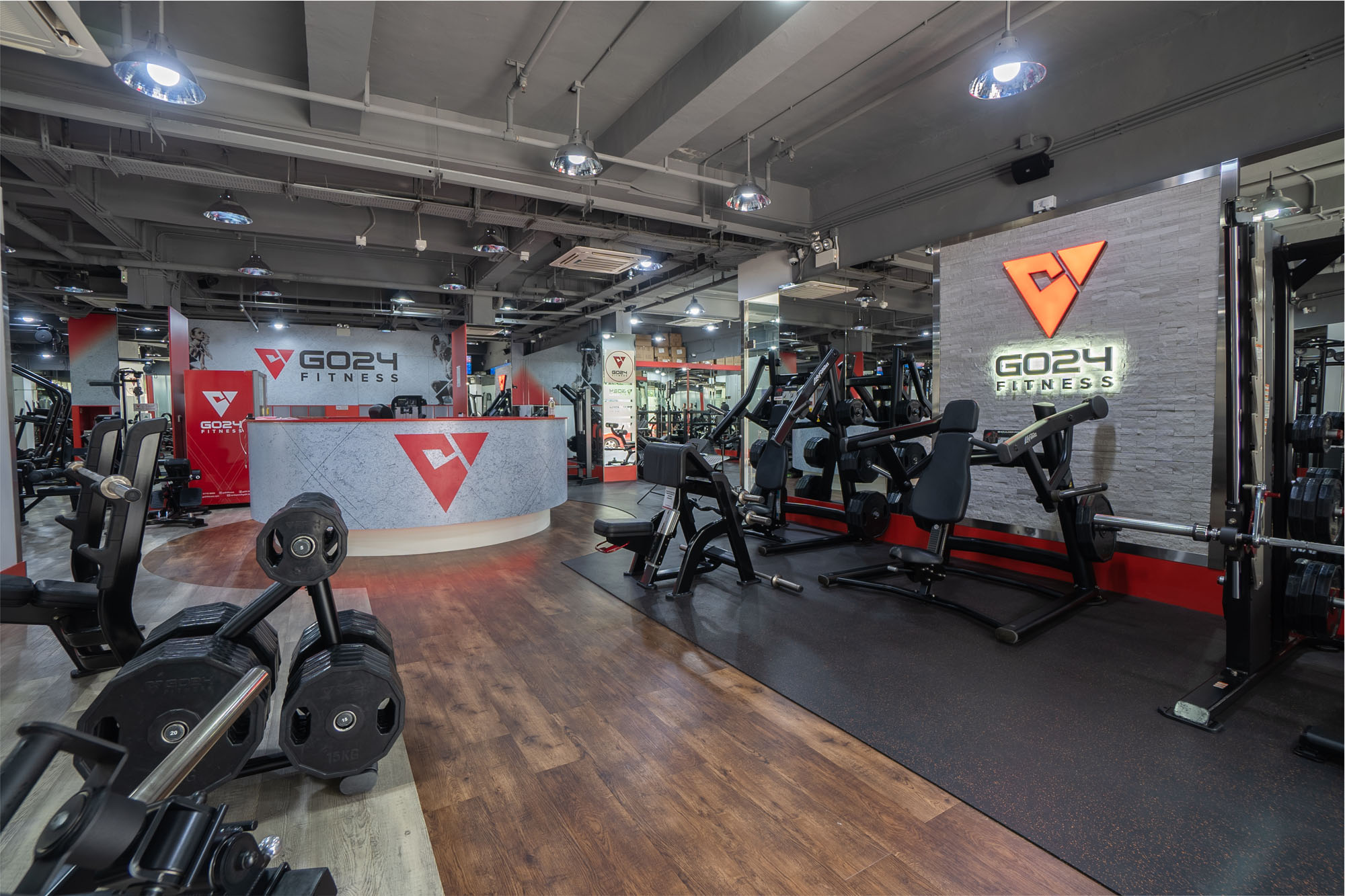
GO24 Fitness — Kennedy Town
A round-the-clock gym with individual infrared sauna and cold-plunge facilities.
View place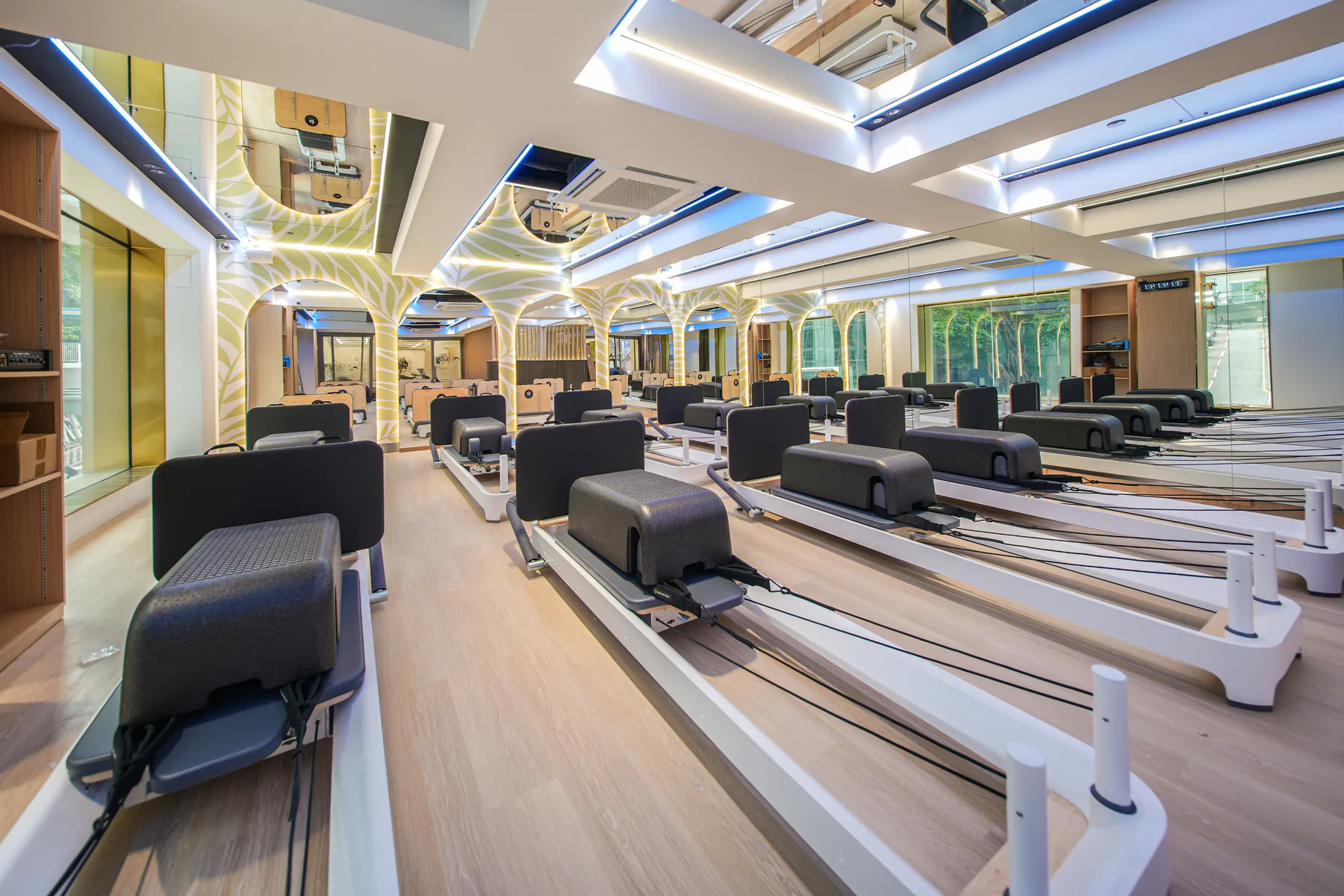
ONYX Admiralty
A 24-hour training club with infrared sauna and cold-plunge recovery facilities.
View place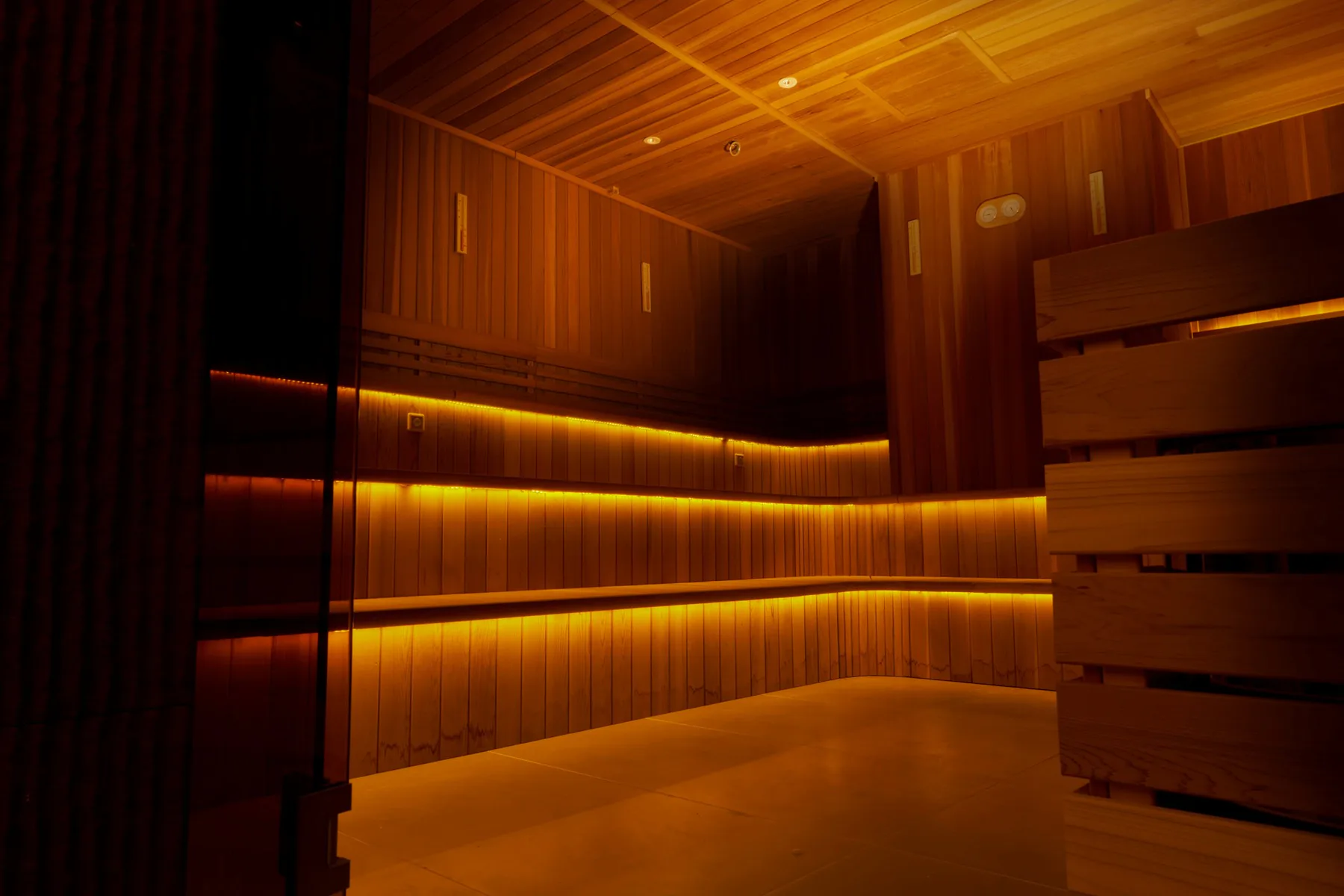
The Ceremony
A Central wellness club combining sauna, cold plunge and lounge-based contrast therapy with body recovery and skin treatments.
View place