Recovery
What heat and cold can—and cannot—do for your health.
Sauna and cold plunges can feel deeply restorative. The strongest reasons to use them are practical, while the bigger health promises still need better evidence.
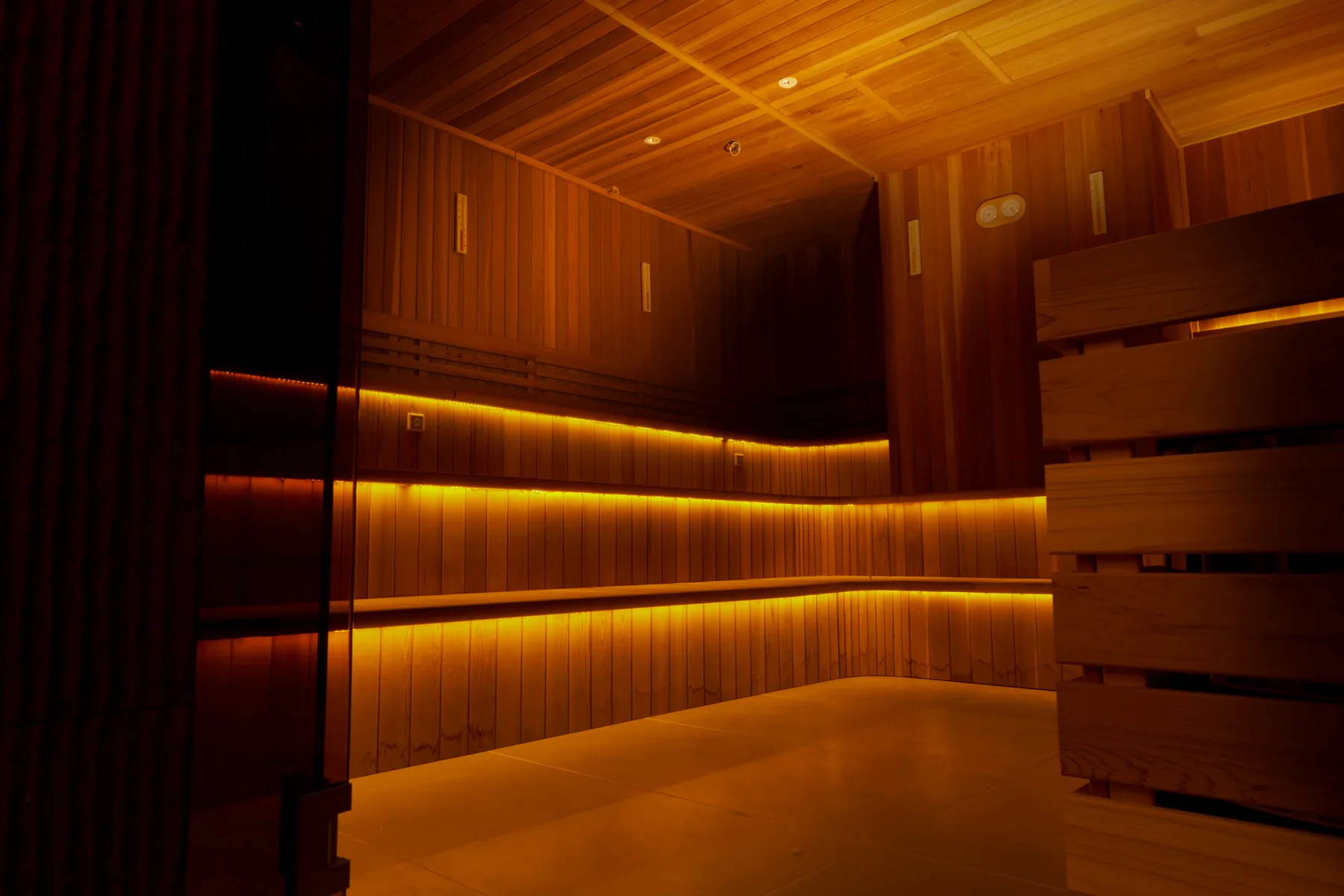
Contrast therapy has an easy story to sell. Sit in a hot sauna, step into cold water, and come out feeling sharper, calmer and strangely proud of yourself. In Hong Kong, where many days are crowded and fast, the ritual can feel like somebody has pressed pause. The heat asks you to slow down. The cold leaves very little room to think about tomorrow's inbox. For a few minutes, your attention is fully inside your body.
That feeling is real. It is also different from proving that contrast therapy prevents illness, melts fat, removes toxins or extends life. The research is much less dramatic than the marketing. There are useful findings around exercise recovery, soreness, relaxation and the body's short-term response to heat and cold. There are also large gaps, small studies and results that do not always agree. The honest position sits between dismissal and hype: contrast therapy may be a helpful wellness practice, but it is not a medical shortcut.
What your body is actually doing
In a sauna, your skin warms, blood vessels near the surface widen and your heart rate usually rises. Sweating helps the body manage heat. This can feel loose and soothing, especially after a tense day, but it is still physical stress. Stay too long or arrive dehydrated and the pleasant heaviness can become a headache, nausea or dizziness. More heat is not automatically more beneficial.
Cold water creates almost the opposite first reaction. Blood vessels at the skin narrow, breathing can become quick and heart rate and blood pressure may jump. The first task is not toughness; it is regaining a steady breath without forcing it. When people move from hot to cold, those reactions arrive close together. That sharp change explains much of the alert, refreshed feeling afterwards. It does not, by itself, prove a lasting health change. A strong sensation is not the same thing as a strong body of evidence.
The clearest benefit may be recovery
Cold-water immersion has been studied most often after exercise. Reviews suggest it can sometimes reduce next-day soreness and improve how recovered a person feels. Contrast water therapy may also help some short-term recovery markers. The effect depends on the workout, the timing, the water temperature and what outcome is being measured. It is more accurate to say cold can be useful in selected situations than to say everybody needs an ice bath after training.
There is a trade-off worth knowing. Repeated cold immersion immediately after strength training may reduce some of the muscle-building signals that training is meant to create. If your priority is long-term strength or muscle growth, making an ice bath the automatic ending to every lifting session may work against that goal. If you need to feel ready for another event soon, reducing soreness may matter more. Recovery is not one universal target; it depends on what you are recovering for.
Heat may offer a gentler kind of work
Regular passive heat exposure has attracted interest because it raises heart rate and increases blood flow without asking the joints to do much. Some studies report better blood-vessel function or lower blood pressure after repeated heat sessions. Other reviews of controlled trials find the overall effects uncertain or too small to call. Much of the enthusiastic discussion also comes from observational studies, which can show a link but cannot prove that sauna caused the healthier outcome.
The more immediate reasons to enjoy a sauna are simpler. Warmth can feel comforting, muscles may feel less guarded, and sitting quietly creates a clear transition out of a busy day. Those benefits do not need to be dressed up as detoxification. Sweat is mainly the body's cooling system; the liver and kidneys do the heavy work of processing waste. A sauna can support a restful routine without needing to cleanse your body of a mysterious modern burden.
Why the ritual can calm a busy mind
A good contrast session also changes the shape of an hour. Phones stay outside. The next step is obvious: warm, cool, rest, drink water. That simple order can be calming when the rest of life is full of open tabs and unfinished choices. Cold water demands attention to the breath; a quiet sauna makes silence feel normal. Even if every effect cannot be reduced to a blood test, the pause can still matter.
This may be one reason people report better mood or sleep after cold or heat sessions. There are early research signals in both areas, but they are not yet a promise. Expectations, the setting, social connection and the decision to take an hour away from work can all contribute. That does not make the experience fake. It simply means wellness rarely arrives from one temperature alone. The room, the people and what you do afterwards are part of the result.
What the evidence does not justify
Contrast therapy has not earned the right to replace exercise, sleep, balanced meals or medical care. It is not a proven cure for anxiety, inflammation, heart disease or chronic pain. A short session may change stress markers or inflammation for a while, but short-term movement in a marker is not automatically a long-term improvement in health. Claims about immunity, fat loss and longevity often travel much further than the trials behind them.
The newest reviews of contrast therapy are notably cautious. They find limited evidence for meaningful changes in resting heart rate, blood pressure, vascular health or metabolism. Small benefits may exist, and future studies may find more, but certainty matters. A responsible venue should be able to explain the experience without promising to fix your hormones, erase inflammation or reset your nervous system in one visit.
Does the order matter?
There is no single perfect sequence for every person or goal. Many venues begin with heat because it feels easier to settle into, then use cold as a short, clear finish. Athletes sometimes use cold after training because soreness is the main concern. Somebody visiting in the evening may prefer to finish neutral or warm rather than walk into the night feeling wired. The final temperature can change the mood of the session even when nobody can promise a different long-term health result.
More rounds are not necessarily better either. The research uses many different temperatures, timings and sequences, which is one reason neat online protocols can sound more certain than the science. One or two comfortable rounds may give you the part most people value: a noticeable change of state and time to recover. Build slowly only if the experience continues to feel good. Consistency, comfort and safe supervision matter more than winning an argument about whether three minutes is superior to two.
A good venue makes restraint easy
Facilities matter because heat and water require care. Look for clean changing areas, clear rules, visible timing, staff who notice first-time guests and honest information about temperatures. Cold tubs should be maintained as carefully as any shared pool. A good host asks about relevant health concerns, shows you how to enter and exit safely, and makes it normal to stop early. They do not use cheering, filming or peer pressure to turn discomfort into entertainment.
The rest area deserves attention too. Contrast therapy works best as a cycle with pauses, not as a race between two extremes. Somewhere to sit, water within reach and enough booking time to recover are basic parts of the service. Privacy also matters: guests should know whether a session is shared, what swimwear is expected and whether photographs are allowed. These details may sound less exciting than a sub-zero temperature claim, but they are often what separates a thoughtful recovery space from a dramatic one-off challenge.
A sensible first session
For a first visit, choose a staffed venue that gives a clear safety briefing. Start with a shorter, milder round rather than copying the longest timer in the room. Five to ten minutes of comfortable sauna heat and a brief cool or cold dip can be enough to learn how your body responds. You do not need the coldest tub, and you do not need to stay until your teeth chatter. Rest between rounds, drink water and stop while you still feel well.
Breathe normally. Deliberate hyperventilation, long breath-holds and underwater challenges do not belong in a plunge pool. Avoid alcohol before or during a session, and do not use extreme heat or cold alone. If you feel faint, confused, unusually short of breath, develop chest pain or cannot regain control of your breathing, get out and seek help. The best session is not the one that looks impressive; it is the one you leave safely and would calmly choose again.
Who should take extra care
Rapid temperature changes place real demands on the heart and circulation. Speak with a doctor before trying contrast therapy if you have heart disease, uncontrolled high blood pressure, an irregular heart rhythm, a history of fainting, circulation problems such as Raynaud's, or another condition affected by temperature. The same applies during pregnancy and when medication changes blood pressure, heart rate, sweating or temperature control.
People with high blood pressure should be especially cautious about moving directly between very hot and very cold conditions. The American Heart Association advises people with hypertension not to alternate cold water and sauna without medical guidance. Nobody loses points for choosing a cool shower, sitting out a round or ending warm. Your medical history matters more than a standard protocol printed on a wall.
The healthiest part may be the habit around it
Used well, contrast therapy can become a dependable piece of a healthy week: a reason to leave the phone behind, notice the breath, sit with a friend and give recovery some actual time. It may ease soreness, offer a pleasant heat response and create a clear sense of reset. Those are modest claims, but modest does not mean meaningless. A practice that helps you slow down and care for yourself can be valuable without becoming a miracle.
Let the session support the basics instead of replacing them. Eat, sleep, move, keep appointments with your doctor and stay connected to people. Then, if heat and cold make the week feel more spacious, enjoy them for exactly that. The most credible wellness practice is often the one that fits quietly into a life, asks you to respect your limits and leaves you feeling more able to return to the ordinary work of being well.
This article expresses an editorial point of view and is for general information only. It is not medical advice.
Places that fit this story
A few directory picks to help turn the idea into a real day out.
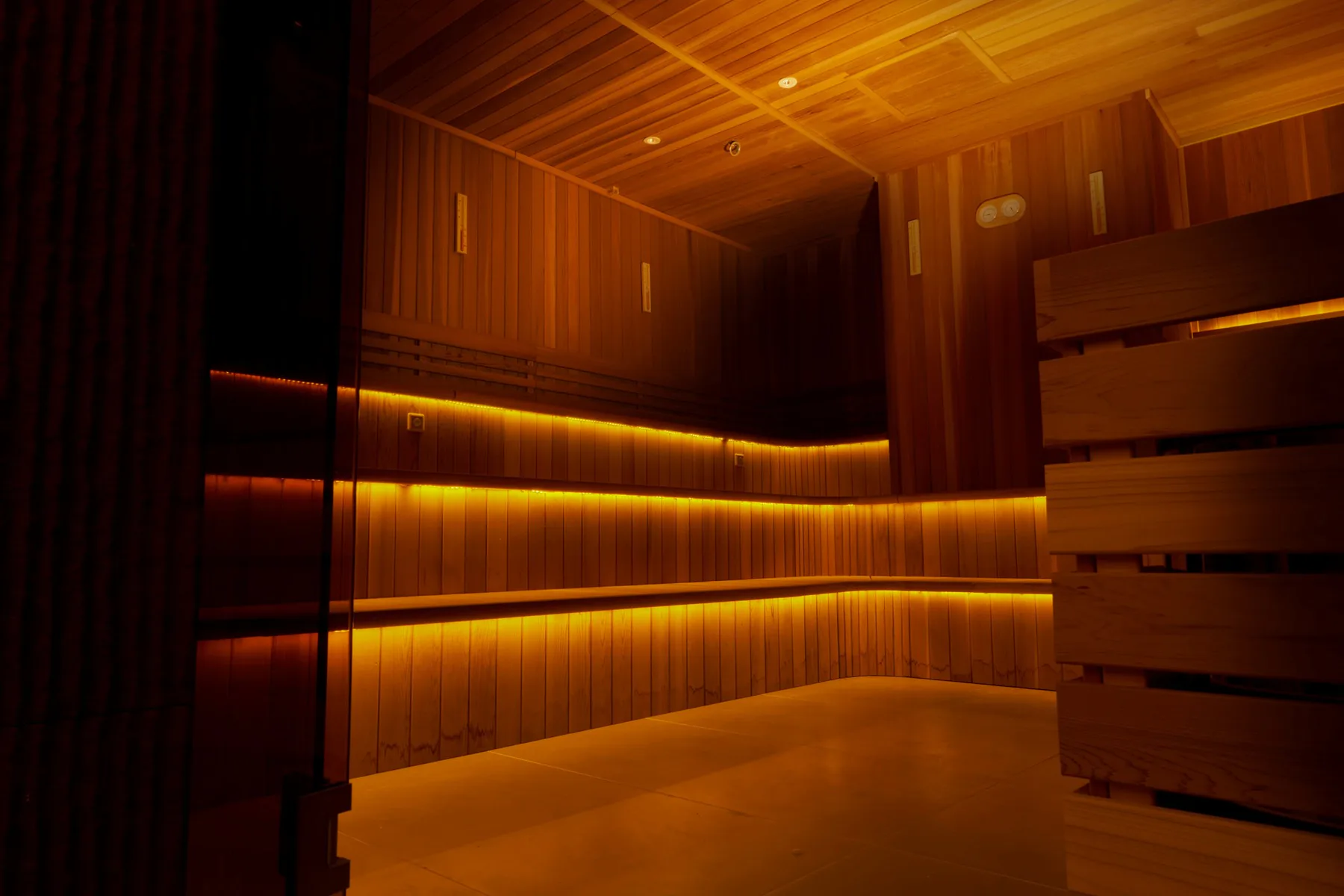
The Ceremony
A Central wellness club combining sauna, cold plunge and lounge-based contrast therapy with body recovery and skin treatments.
View place
Kinship
A guided contrast-therapy space with sauna, cold plunge, hot pool and café.
View place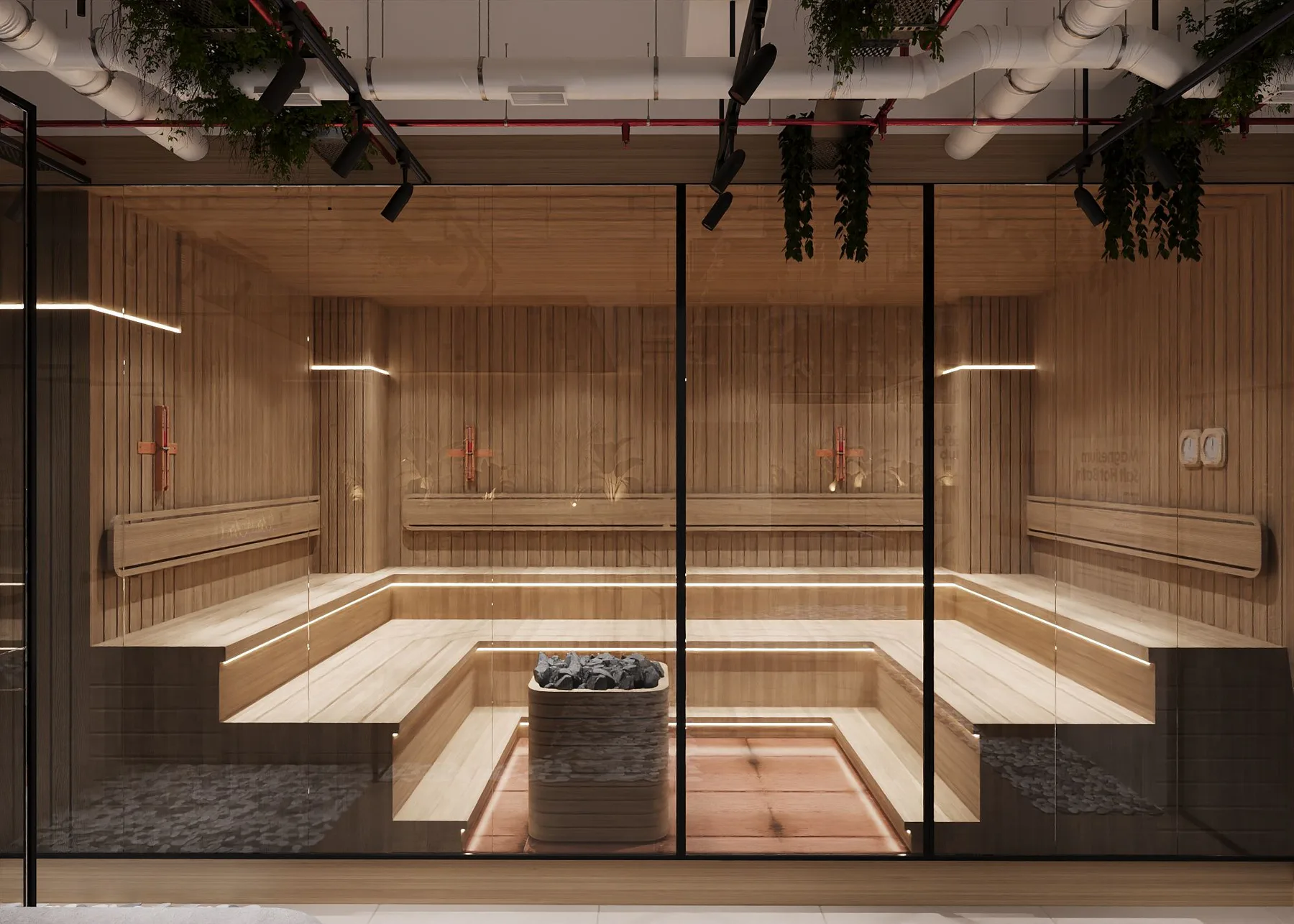
The Ice Bath Club — Kennedy Town
A social recovery club with communal cold baths, sauna and hot bath.
View place